
From Six of Crows to the Avengers, Avatar the Last Airbender and other shows, books, movies, and media, it is clear that varied casts of characters are having their moment in the spotlight.
Large groups of protagonists can make a story feel more fleshed out and offers the ability to explore a variety of storylines and backstories. But creating a large cast of characters can come with inherent obstacles, chief among them is making each character unique and ensuring they have a role to play in the story. One useful method of achieving this is by using a trope for writing called the five-man band.
This method of assigning specific roles to the characters in a story was first introduced to me from a YouTube channel called Overly Sarcastic Productions through their series “Trope Talks”. They have a wide variety of helpful videos that you should definitely check out.
Since discovering the five-man band trope, I have at least loosely used it in nearly all of my stories to create a more varied cast of characters while assigning them each a specific role in the story to ensure they are dynamic and not stale. It also helps to keep track of them.
The five-man band trope usually includes five character archetypes but it does not have to be limited to this. You could have more than one character for each role but or one character that fills more than one role but keep in mind if you do this that your characters may begin to feel too similar or overly talented.
The archetypes used include: The Leader, The Lancer, The Heart, The Strong Man, and The Brain or Specialist.
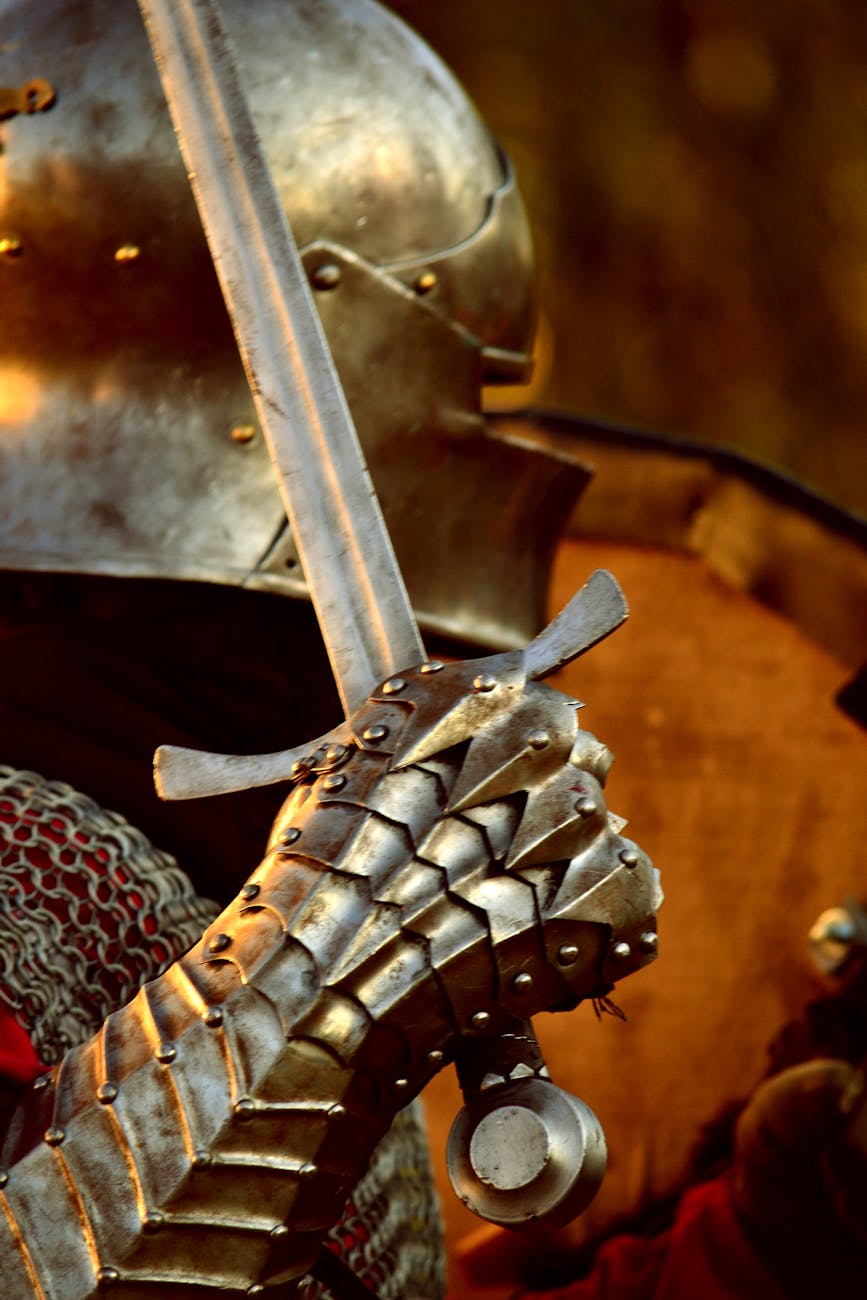
The Leader is usually the main protagonist of the story. They may be the Chosen One or a more traditional hero. The story is often told through the eyes of this character or at the very least this character could be the most directly impacted by the outcome of the story. Traits of this character may include: being authoritative, humble, selfless, or self-sacrificing and having courage and heroism. I said earlier that this character is often the main protagonist of the story but that doesn’t always have to be the case. This can get a little complicated so bear with me. Sometimes the main character of the story fits into another of the archetypes such as The Lancer or The Specialist. However, if the story is told through the person’s point of view, they will always at least in part fill the role of The Leader. This is because their actions will determine the course of the story.
In my series, Forest Dwellers, the main character, Brier, shares the role of The Specialist with another character and the role of Lancer is left empty. The leader of the group during the journey, Echo, steps into the role of The Leader. However, there is also a secondary dynamic just under the surface when Brier is put into the position of The Leader causing the character archetypes to shift. The Strong Man and The Heart stay the same which Echo becomes The Specialist and the other Specialist character becomes the Lancer.
Now that I’ve fully confused you, let me offer you some examples of The Leader archetype to clarify things. Think of character like Captain America and Superman. Cartoons use the five-man band trope often, especially when they are in the superhero genre. Shows like the original Teen Titans and Avatar the Last Airbender are great examples. In these shows, Robin and Aang fill the role as The Leader. Moves, especially heist movies use this trope. A good example of this is the movie Now You See Me. Literature like Dracula also uses this trope with Van Helsing acting as The Leader of the group.
The second character archetype that the five-man band explores is The Lancer. In many ways, The Lancer character is the opposite of The Leader. If The Leader is friendly, The Lancer will likely be standoffish or vice versa. They are the yin and yang of the story. The Lancer plays a crucial role by balancing the hero’s talents and shortcomings. The Lancer could be a friend or a rival to The Leader. A good example of this comes from Avatar the Last Airbender where Zuko fills the role as The Lancer. Zuko spends much of the series in opposition to Aang but when he joins the team, he offers a more brutish and practical perspective to Aang’s pacifist and sometimes impractical plans.
In my book, Forest Dwellers, Reid is The Lancer to Brier and while he starts as a rival, he and Brier eventually grow into friends.
The Lancer might also serve as comedic relief in some cases, especially if the hero is more stoic. Sometimes The Lancer fills another role in the story as well, acting as The Specialist, The Brains, or The Strong Guy. However, their primary purpose is to reflect and balance the hero. Think about how Batman serves as a near opposite to Superman with unique gifts and attitudes.
The third character archetype of the five-man band is The Heart. This character is the empath of the group. They are the most likely to be a diplomat and peace seeker. The exception to this empathy comes when someone they care about is threatened or hurt. Then, it is common for The Heart to lash out more than any others in the group. Many times, a female character holds this position but this is not always the case. In Guardians of the Galaxy, Groot is in the role of The Heart. The Heart might be a character who takes a backseat in a fight or doesn’t participate at all. They might be equipped with magical abilities or a distance weapon like a bow or sling. This isn’t always the case as some Heart characters can be formidable on the battlefield like Katara from Avatar the Last Airbender. If the group has a healer type character, The Heart is almost always the member that fills that roll.

Another common occurrence is that The Heart character will be the romantic interest for The Leader or The Lancer. The Heart’s primary purpose in the story is to be the voice of empathy among the group, sometimes as a diplomat, sometimes as a mother or sister figure, sometimes as a romantic interest, and sometimes simply as the person who listens and comforts.
The Leader, Lancer, and Heart make up the core of the five-man band and most other fictional group structure. Think of iconic fictional trios and you will be able to detect these three archetypes in nearly every case. Harry Potter, Ron, and Hermione with Harry as the Leader, Ron as the Lancer and the Heart, and Hermione as the brains. Percy, Annabeth, and Grover from the Percy Jackson series with Percy as the Leader, Annabeth as the Lancer and the Brains, and Grover as the Heart. King Arthur, Lancelot, and Guinevere with Arthur as the Leader, Lancelot as the Lancer (now you see where that term came from) and Guinevere as the Heart. The Three Musketeers: Athos, Porthos, and Aramis respectively Leader, Lancer, Heart. Luke Skywalker, Han, and Leia from Star Wars as Leader, Lancer, and Heart. The list goes on and on.
A story could easily function with just those three archetypes and characters but a great opportunity for further character dynamics and adventures would be missed. It wouldn’t be a five-man band without the last two character archetypes The Brain and The Strong Man.

The Brain or Smart Guy can also be called The Specialist. As their namesake suggests, they are the brains of the operation. They will be the ones to strategize, invent, and come up with the plans to lead the group forward. Thinking up plans isn’t the only thing the brain does, hence the role of The Specialist. In science-fiction settings for example, the Brain could serve as a Specialist in a specific field. They could be a hacker or a spaceship mechanic. In Fantasy, they would likely have the ability of magic, demonstrating unique skills apart from the rest of the group. Merlin fits this role in the King Arthur legends. The Specialist could have a very specific and unique skillset maybe as a chemist or explosives expert or lockpicker.
Because of their intense brain-power, the Specialist is usually lacking in other abilities. It is common for them to be physically weak and not possessing fighting abilities. Alternatively, or in addition to this, The Brain could be socially lacking. Character’s like BBC’s Sherlock are a good example of this type of trait. Sherlock understand people but he doesn’t understand people so Watson ends up pulling the double duty of Lancer and Heart and diffusing tense situations left and right in Sherlock’s wake. In DC comics, Barbara Gordon, formerly Batgirl, becomes The Brains for Batman’s mission against evil when she is crippled by the Joker and confined to a wheelchair. She transforms from a powerhouse fighter to a powerhouse of a different kind, becoming a hacker and strategist from behind the front lines. This kind of setback allows The Brain’s role to be defined, without giving them too many talents. However, The Brain may also prove to be a fighter in their own right, like Sokka from Avatar the Last Airbender who learns sword fighting, still separating him from his super-powered companions but also allowing him to fight back and defend himself. The Brain is the problem-solver of the group and often times that problem solving ability must be used to aid in overcoming their own weaknesses as well.
The final character archetype of the Five-man band is The Strong Man. As the name suggests, this character is the strongest of the group, the most useful in a hands-on fight. While The Brain may be the smarts of the operation, this character has the street smarts. The Strong Man is usually big, tall, and muscular but not always. The character could merely possess powerhouse abilities instead like Toph from Avatar the Last Airbender.

This character may have to be given some kind of physical limitation to keep their powers in check and ensure they aren’t too powerful for plot reasons. Think Kryptonite for Superman. The Strong Man may have a tough exterior but often they turn out to be a softy on the inside. They might have deep ties with their group. It’s not uncommon for The Strong Man to either get along great or terribly with The Brain. If you were thinking of a line, The Strong Man and The Brain would be on opposite ends. Sometimes this results in a deeply forged bond and other times it only makes them want to strangle each other. The Strong Man may also clash with The Leader. In Teenage Mutant Ninja Turtles, Leo and Raphael are always fighting. However, sometimes, The Strong Man has the biggest heart of all but may be not as great at expressing it. They might have softer hobbies to offset their rough profession. They could enjoy cooking or music. In the setting of a fight, they will usually either be late or taken out early to ensure the others get a chance to use their skills.
However you decide to use the five-man band trope, it can be an incredibly useful tool. It opens up a whole new dynamic of storytelling while also allowing an author to keep track of characters and make them unique.
 S.G.Morand
Leave a comment